
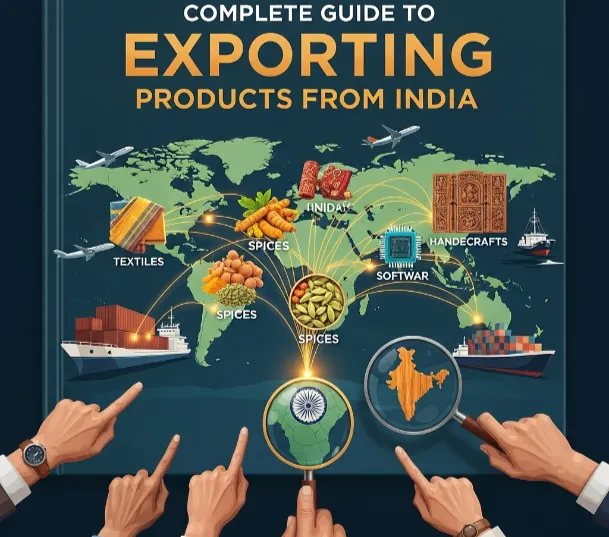
A Practical, SEO-Optimized Guide for Indian Exporters & Growing Businesses
India is one of the world’s fastest-growing export hubs, supplying agricultural products, food commodities, and manufactured goods to global markets. With increasing international demand and digital trade platforms like GlobalShipify, exporting from India is no longer limited to large corporations—it is accessible to MSMEs, farmers, traders, and growing businesses.
However, exporting products from India requires a clear understanding of processes, documentation, compliance, and logistics. This guide is designed to simplify the export journey and help businesses confidently enter global markets.
This blog is SEO-optimized, easy to understand, and structured to answer:
- How exporting from India works
- What documents are required
- Step-by-step export process
- Common mistakes to avoid
- Practical tips for successful exporting
- Where to use visuals for better clarity
What Does Exporting from India Mean?
Exporting refers to the process of selling goods produced in India to buyers located in other countries. It involves regulatory approvals, quality compliance, logistics coordination, and international payment systems.
In today’s digital trade environment, exporters can connect with global buyers, manage shipments, and handle documentation through export facilitation platforms like GlobalShipify—making the process faster and more transparent.
SEO keywords used naturally:
exporting from India, Indian exports, international trade India, global exports
Why Exporting Is a Major Growth Opportunity for Indian Businesses
Exporting allows businesses to:
- Access larger international markets
- Increase revenue beyond domestic limits
- Reduce dependence on local demand
- Build global brand credibility
- Earn in foreign currency
With India’s strong reputation in agricultural and food exports such as mangoes, spices, coconut products, coffee, onion, and garlic, global demand continues to rise year after year.

Why Exporting Is a Major Growth Opportunity for Indian Businesses
Exporting allows businesses to:
- Access larger international markets
- Increase revenue beyond domestic limits
- Reduce dependence on local demand
- Build global brand credibility
- Earn in foreign currency
With India’s strong reputation in agricultural and food exports such as mangoes, spices, coconut products, coffee, onion, and garlic, global demand continues to rise year after year.
Step-by-Step Process of Exporting Products from India
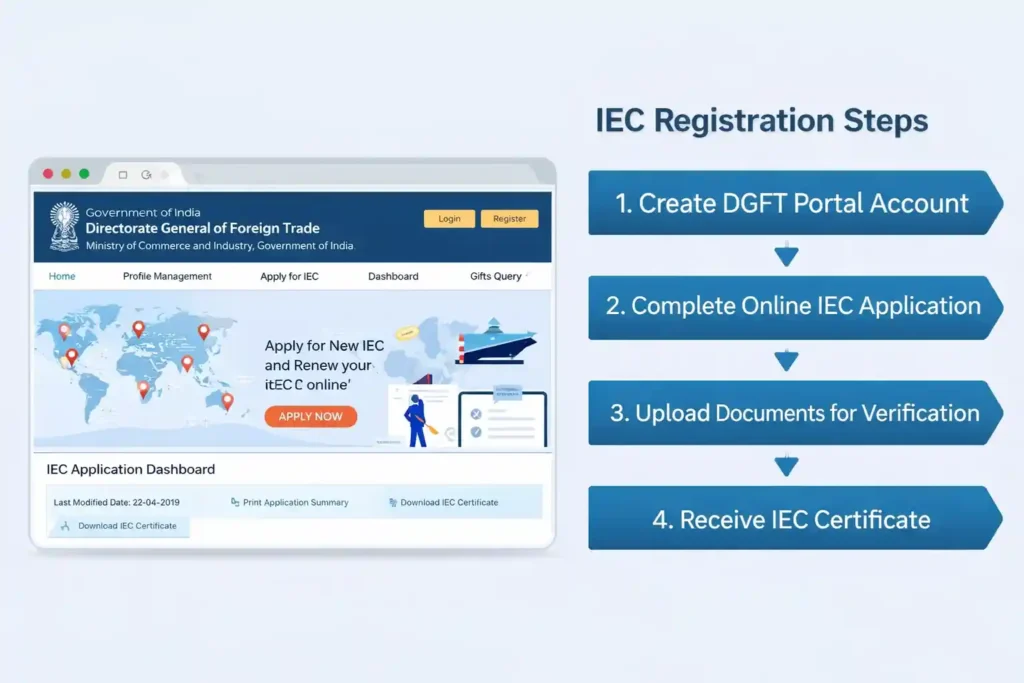
1. Obtain Import Export Code (IEC)
The Import Export Code (IEC) is mandatory for any exporter in India. It is issued by the Directorate General of Foreign Trade (DGFT).
Key points:
- One-time registration
- Valid for a lifetime
- Required for customs clearance and international payments
SEO keywords: IEC code India, export registration India

2. Choose the Right Product for Export
Not all products are equally suitable for export. A successful exporter evaluates:
- Global demand
- Quality standards
- Shelf life (for food products)
- Packaging requirements
- Regulatory restrictions
Export-ready products should meet international quality and safety standards.
3. Market Research & Buyer Identification
Finding the right buyer is crucial. Exporters must research:
- Target countries
- Import regulations
- Buyer preferences
- Pricing benchmarks
Digital B2B platforms and export service providers help connect Indian sellers with verified international buyers.
SEO keywords: export buyers, international buyers India, export market research


4. Export Documentation Required from India
Proper documentation ensures smooth customs clearance and timely delivery.
Essential Export Documents:
- Commercial Invoice
- Packing List
- Bill of Lading / Airway Bill
- Certificate of Origin
- Shipping Bill
- Insurance Certificate
- Phytosanitary Certificate (for agricultural products)
Incomplete or incorrect documents can cause delays or penalties.
SEO keywords: export documents India, shipping documents India, international trade documents
5. Quality Check, Packaging & Labeling
Export packaging must be:
- Durable for long-distance transport
- Compliant with destination country laws
- Clearly labeled with product details, origin, and handling instructions
Good packaging protects products and improves buyer trust.
SEO keywords: export packaging India, international packaging standards


6. Logistics & International Shipping
Choosing the right logistics partner determines delivery speed, cost, and reliability.
Export logistics includes:
- Freight selection (air or sea)
- Customs clearance
- Warehousing
- Final delivery coordination
Platforms like GlobalShipify simplify international shipping by managing end-to-end logistics.
SEO keywords: international shipping India, export logistics services
7. Payment & Foreign Exchange Management
Export payments are typically made via:
- Advance payment
- Letter of Credit (LC)
- Documents against payment
Exporters must comply with RBI foreign exchange regulations and ensure timely receipt of payments.
SEO keywords: export payment methods, international trade payments
Final Thought: Exporting from India Is a Global Opportunity
Exporting is no longer complex or limited to large exporters. With the right knowledge, documentation, and logistics support, Indian businesses can confidently reach global markets.
At GlobalShipify, exporting is simplified—from compliance to delivery—so businesses can focus on growth, not paperwork.
If your products are ready for the world, the right export strategy will take them there.