
Top Challenges in Exporting from India and How to Overcome Them
India has emerged as one of the world’s fastest-growing exporting nations, supplying agricultural products, food items, textiles, engineering goods, and manufactured products to global markets. Government initiatives, improved port infrastructure, and digital trade platforms like GlobalShipify have made international trade more accessible for Indian businesses.
However, exporting from India still comes with several challenges. From documentation and customs clearance to logistics costs, payment risks, and global competition, exporters must navigate multiple complexities to succeed. Understanding these challenges early and addressing them strategically can help businesses reduce risks, improve efficiency, and scale confidently in international markets.
Why Understanding Export Challenges Is Critical for Indian Exporters
Exporting is not just about moving goods across borders—it involves compliance, coordination, and risk management at every stage. Businesses that proactively understand export challenges can reduce shipment delays, avoid penalties, control operational costs, build buyer trust, and expand into international markets faster and more sustainably.
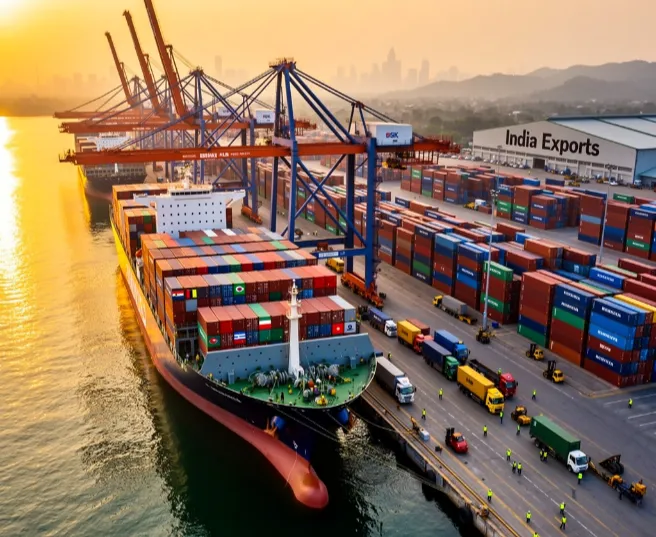
Exporting from India challenges and global trade routes
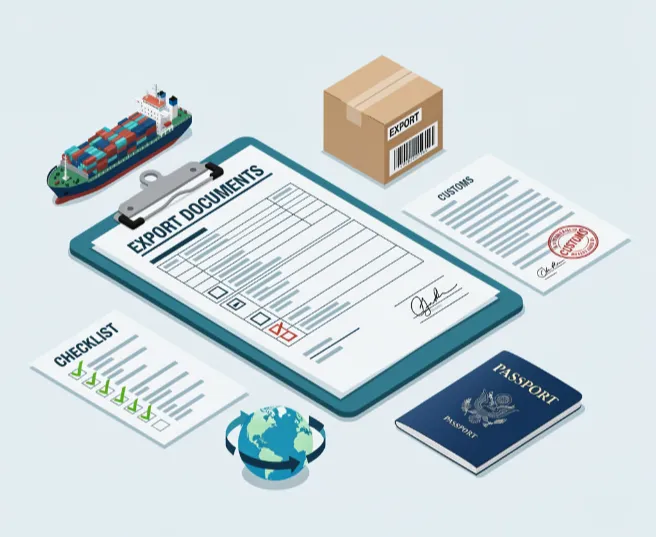
Export documentation and compliance process in India
Complex Export Documentation and Regulatory Compliance
One of the most common challenges in exporting from India is managing documentation and regulatory compliance. Exporters are required to prepare multiple documents such as commercial invoices, packing lists, shipping bills, certificates of origin, bills of lading, and product-specific certifications. Even a minor error or missing detail can lead to customs delays, penalties, or shipment rejection.
To overcome this challenge, exporters should maintain standardized document formats, digitize documentation processes, and stay updated with DGFT and customs regulations. Working with experienced export service providers like GlobalShipify ensures documentation accuracy and regulatory compliance, reducing the risk of costly delays.
Customs Clearance Delays at Ports
Customs clearance delays are a major concern for Indian exporters and often result from incorrect HS code classification, incomplete paperwork, inspection backlogs, or frequent regulatory updates. These delays not only increase storage and demurrage costs but also disrupt delivery timelines and buyer commitments.
Exporters can minimize customs delays by ensuring accurate HS code usage, pre-verifying all documents before shipment, and using electronic filing systems. Partnering with logistics providers who have strong customs expertise helps ensure smoother clearance and faster cargo movement.
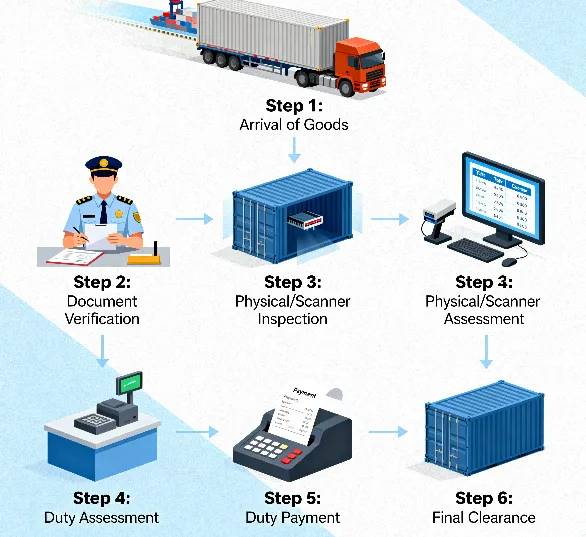
Customs clearance process for exports from India
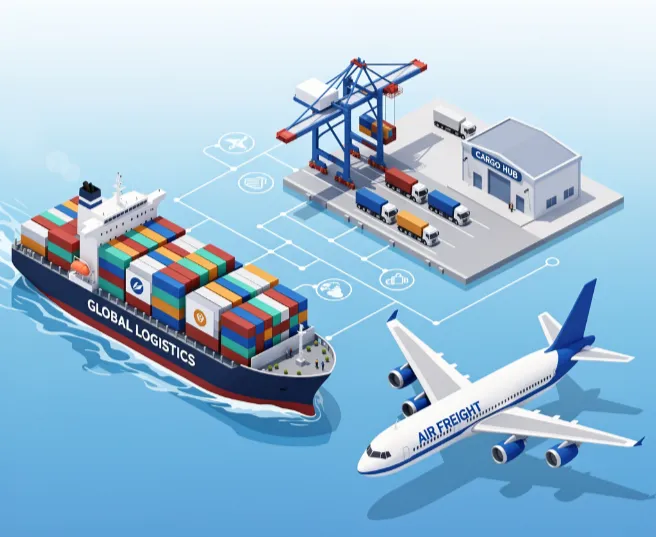
International shipping and export logistics from India
High Logistics and International Shipping Costs
International shipping costs fluctuate due to fuel prices, container shortages, port congestion, and currency exchange rates. For MSMEs and growing exporters, high logistics costs can significantly impact profit margins and competitiveness.
Optimizing shipping routes, consolidating shipments, and choosing multimodal transport solutions can help control costs. Platforms like GlobalShipify help exporters access cost-effective international shipping options, optimized logistics planning, and reliable freight solutions.
Lack of Reliable Export and Logistics Partners
Many exporters struggle due to unreliable logistics or export partners, leading to missed deadlines, poor communication, and shipment mishandling. Choosing the wrong partner can quickly turn export opportunities into financial and reputational risks.
Exporters should work with partners that have proven international trade experience, transparent communication, and technology-enabled tracking systems. A reliable export partner acts as a growth enabler by ensuring consistency, visibility, and operational efficiency.
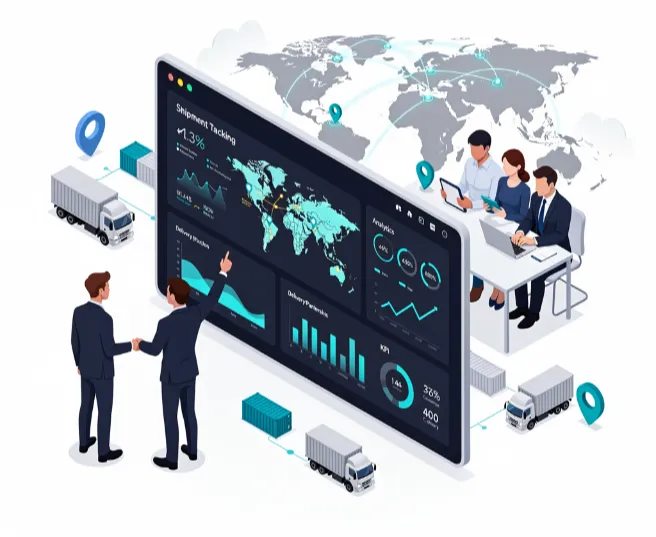
Reliable export logistics partners in India
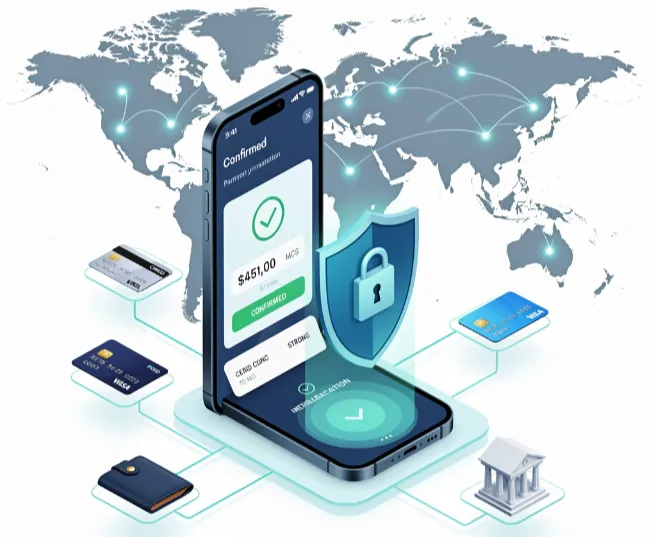
International export payment risks and solutions
Payment Risks and Delayed International Payments
Payment delays, currency fluctuations, and fraudulent buyers are serious risks in global trade. Cash flow disruptions caused by delayed international payments can affect export sustainability and growth.
To mitigate payment risks, exporters should use secure payment methods such as letters of credit or advance payments, insure export receivables, and work only with verified international buyers. Monitoring foreign exchange trends also helps protect margins in volatile markets.
Limited Knowledge of International Markets
Many exporters fail not due to product quality, but due to poor understanding of target markets. Lack of market research, ignoring cultural preferences, and incorrect pricing strategies can limit success in international markets.
Conducting detailed market research, understanding import regulations, and adapting products and packaging to local preferences are essential for successful global expansion.
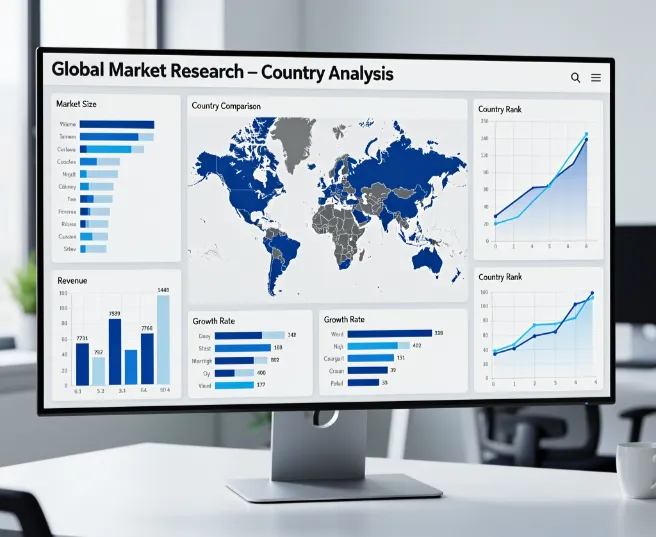
International market research for Indian exporters

Export quality standards and certifications in India
Quality Standards and Certification Requirements
Global buyers expect strict adherence to international quality standards and certifications such as ISO, FDA, CE, and phytosanitary approvals. Failure to comply can lead to shipment rejection, financial loss, and damaged buyer trust.
Exporters must invest in quality control systems, obtain required certifications, and maintain consistent production standards to meet international expectations.
Infrastructure and Port Congestion Challenges
Port congestion, container shortages, and inland transport delays continue to affect export timelines in India. Poor planning can result in missed shipments and increased costs.
Exporters can overcome infrastructure challenges by planning shipments in advance, using alternative ports when possible, and leveraging multimodal transport solutions for better efficiency.
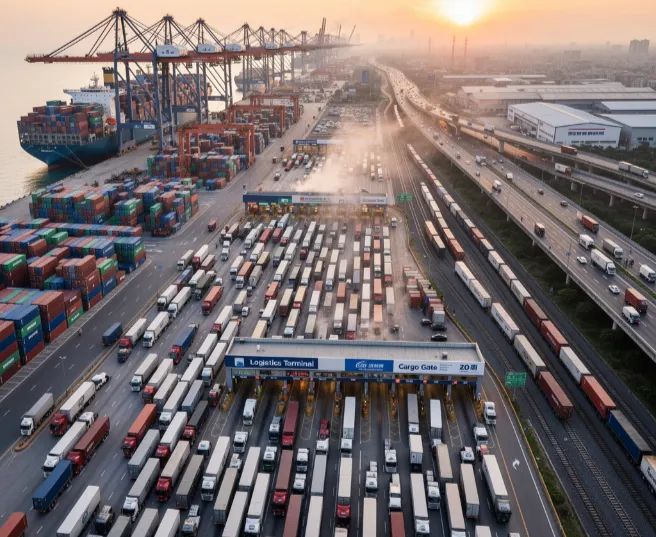
Export infrastructure challenges in India
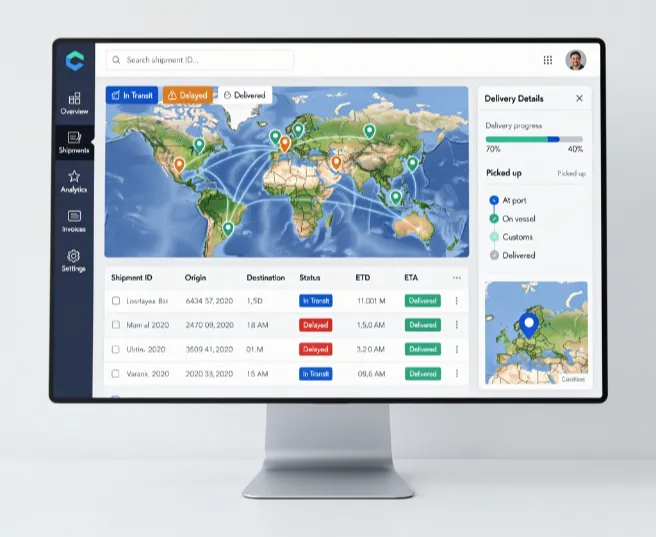
Digital export solutions for Indian exporters
Lack of Digitalization in Export Processes
Manual export processes often lead to errors, delays, and lack of shipment visibility. Without digital systems, exporters struggle to track shipments and manage documentation efficiently.
Adopting digital export platforms enables automation, real-time tracking, and better transparency. GlobalShipify’s digital-first approach simplifies export operations and improves control across the supply chain.
Intense Global Competition
Indian exporters face stiff competition from countries such as China, Vietnam, and Bangladesh, often competing on price, speed, or scale. To stand out, exporters must focus on quality, reliability, branding, and consistent delivery performance rather than price alone.
Building a strong export brand and delivering dependable service helps Indian exporters gain long-term global trust.
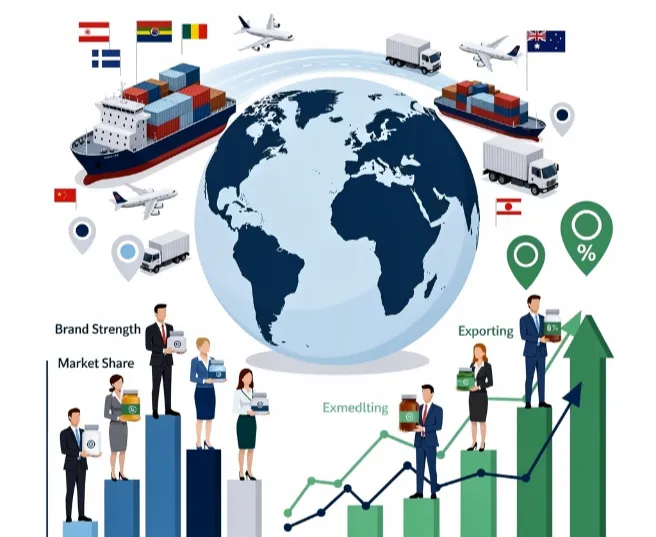
Global competition faced by Indian exporters
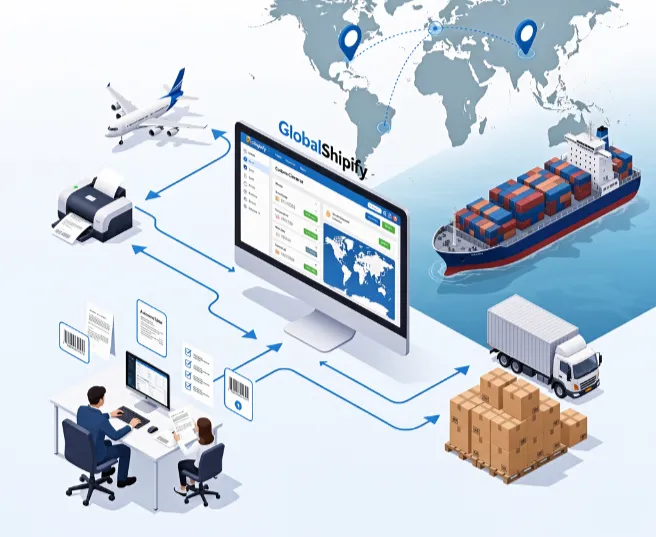
GlobalShipify export solutions for Indian businesses
How GlobalShipify Helps Indian Exporters Overcome Export Challenges
GlobalShipify provides end-to-end export solutions that simplify global trade for Indian businesses. From documentation and compliance to international logistics, customs clearance, real-time tracking, and cost optimization, GlobalShipify ensures exporters can focus on growth while operational complexities are handled seamlessly.
Final Thought: Turning Export Challenges into Global Opportunities
Exporting from India comes with challenges, but with the right knowledge, planning, and export partner, these challenges become opportunities for sustainable global growth. By leveraging digital platforms, reliable logistics, and compliance expertise, Indian exporters can compete confidently in international markets.
With GlobalShipify, exporters move forward with clarity—transforming complexity into confidence and international trade into long-term success.