
Frozen Vegetables and Fruits in Global Trade: Preserving Freshness for International Markets
As global food consumption habits continue to evolve, frozen vegetables and fruits have become a vital component of international food supply chains. Driven by the demand for convenience, longer shelf life, and consistent quality, frozen produce is witnessing rapid growth across global markets.
India, supported by a strong agricultural foundation and expanding food-processing infrastructure, is emerging as a reliable exporter of frozen fruits and vegetables. With advancements in freezing technology and cold chain logistics, Indian exporters are well-positioned to meet international quality standards. In this blog, GlobalShipify explores the frozen produce export market, key products, processing methods, global demand, and how exporters can succeed in this fast-growing sector.
Why Frozen Fruits and Vegetables Are in High Global Demand
Frozen fruits and vegetables offer an ideal balance of nutrition, convenience, and shelf stability. Unlike fresh produce, frozen items can be stored for longer periods without compromising quality, making them suitable for long-distance international trade.
The growing global demand is driven by several factors. Frozen produce has a significantly longer shelf life, reducing spoilage during transit and storage. Rapid freezing techniques help retain nutritional value, color, and texture. Seasonal fruits and vegetables become available year-round, supporting consistent supply for buyers. Additionally, frozen foods help reduce food waste and are widely used by hotels, restaurants, caterers, and food processing industries.
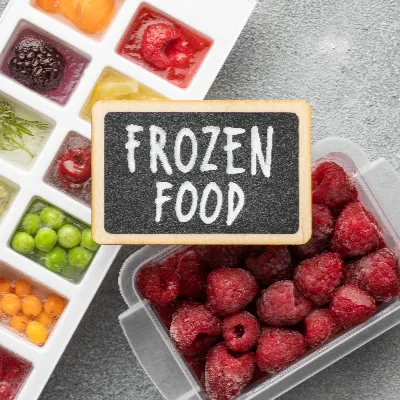
India’s Growing Role in Frozen Produce Exports
India is steadily strengthening its position in the global frozen food market. Investments in modern food processing units, IQF (Individually Quick Frozen) technology, and cold storage infrastructure have enabled Indian exporters to meet international quality and safety requirements.
Indian frozen produce is preferred globally due to competitive pricing, a wide range of fruits and vegetables, reliable agricultural sourcing, and improving certification standards. Government initiatives such as mega food parks, cold chain subsidies, and export incentives further support the growth of frozen food exports from India.
Popular Frozen Fruits Exported from India
India exports a variety of frozen fruits that are widely used in food processing, bakery, beverage, and hospitality industries.
Frozen mango is one of the most exported products, commonly used in smoothies, desserts, and pulp-based applications. Frozen strawberries are in high demand among bakeries and dairy brands. Frozen papaya is preferred for fruit blends and processed foods, while frozen pineapple is widely used in beverages and confectionery products. Frozen bananas are also exported in large volumes, particularly for bakery items and baby food manufacturing.
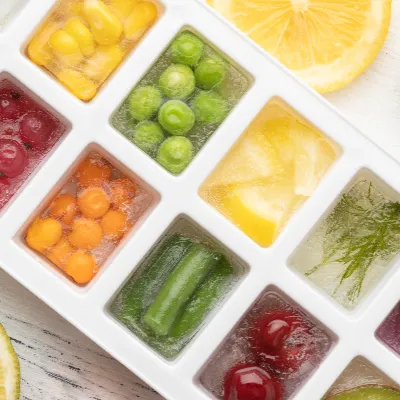
Export-quality frozen fruits from India
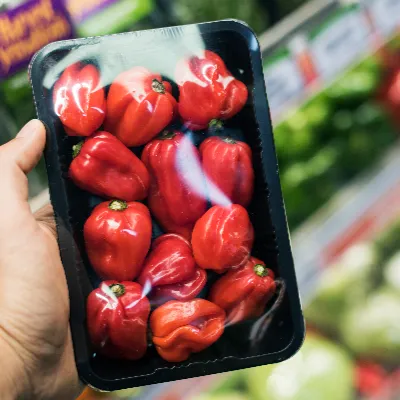
Indian frozen vegetables prepared for export
Popular Frozen Vegetables Exported from India
Frozen vegetables are a key ingredient in ready-to-cook meals and quick-service restaurants worldwide.
Frozen green peas are among India’s largest frozen vegetable exports. Frozen sweet corn is widely used in international food processing. Frozen mixed vegetables are popular for convenience foods, while frozen okra sees strong demand in Middle Eastern and European markets. Frozen cauliflower and broccoli are increasingly exported to health-conscious markets.
Major Importing Countries for Frozen Fruits and Vegetables
Indian frozen fruits and vegetables are exported to more than 80 countries across the globe. Major importing regions include the Middle East, such as the UAE, Saudi Arabia, and Kuwait; Europe, including the UK, Germany, and the Netherlands; North America, particularly the USA and Canada; Asia-Pacific markets like Malaysia, Singapore, and Japan; and parts of Africa, including South Africa.
Each market follows strict food safety, labeling, and cold storage regulations, making compliance a critical aspect of export success.
Frozen Fruits and Vegetables Export Process
Exporting frozen produce requires precision, hygiene, and advanced freezing technology.
The process begins with careful selection of fresh fruits and vegetables sourced directly from farms. The produce is then washed, peeled, and cut under hygienic conditions. Vegetables undergo blanching to preserve color, texture, and nutrients. Freezing is carried out using IQF technology, ensuring individual pieces remain separate and free-flowing.
After freezing, products are packed in food-grade poly bags or vacuum-sealed packs and placed in export-grade cartons. Throughout storage and transportation, cold chain logistics are maintained at -18°C or below to preserve quality.
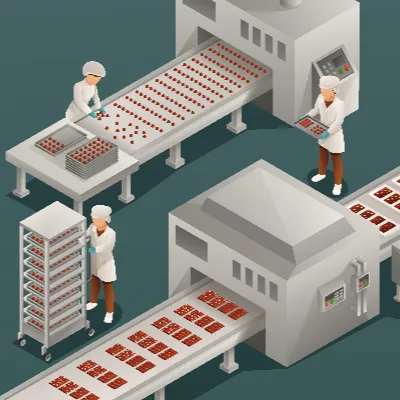
Frozen fruits and vegetables processing for export
Packaging and Quality Standards for Frozen Produce
International buyers demand strict adherence to food safety and quality standards. Exporters must comply with certifications such as HACCP, ISO, and FSSAI. Packaging must be moisture-proof, freezer-safe, and clearly labeled with batch numbers, expiry dates, and country of origin.
High-quality packaging not only protects the product during transit but also enhances buyer confidence and brand credibility.
Challenges in Frozen Produce Export
Despite strong demand, frozen food exporters face several challenges. Maintaining an uninterrupted cold chain is critical, as temperature fluctuations can compromise product quality. High initial investment is required for processing and freezing infrastructure. Exporters must navigate varying food safety regulations across countries, and energy costs remain a concern due to the energy-intensive nature of freezing and storage.
Partnering with experienced export facilitation platforms helps exporters manage these challenges efficiently.
Future of Frozen Fruits and Vegetables Export from India
The global frozen food market is expected to grow rapidly due to changing lifestyles, urbanization, and increasing demand for convenience foods. Trends such as ready-to-use frozen products, plant-based food growth, expansion of cold chain infrastructure, and clean-label frozen produce are shaping the future.
With its strong agricultural ecosystem and improving processing capabilities, India is well-positioned to become a leading supplier in the global frozen food supply chain.
Conclusion
Frozen fruits and vegetables bridge the gap between freshness and global accessibility. With extended shelf life, consistent quality, and rising international demand, frozen produce offers a strong export opportunity for Indian businesses.
By focusing on quality processing, reliable cold chain logistics, and global market access, exporters can scale their frozen food operations successfully. GlobalShipify empowers frozen fruit and vegetable exporters to reach international markets with confidence, efficiency, and long-term growth.