
Indian Spices in Global Trade: From Ancient Kitchens to Modern International Markets
India has been the heart of the global spice trade for thousands of years. From ancient maritime trade routes to today’s advanced international supply chains, Indian spices have influenced cuisines, cultures, and economies worldwide. Even today, India remains the largest producer, consumer, and exporter of spices, supplying premium-quality products to more than 180 countries.
With growing global demand for natural flavors, wellness-focused ingredients, and authentic ethnic foods, Indian spices continue to dominate international markets. In this blog, GlobalShipify explores the global journey of Indian spices, key export varieties, the export process, major importing countries, and how exporters can successfully scale their spice business globally.
Why Indian Spices Are in High Global Demand
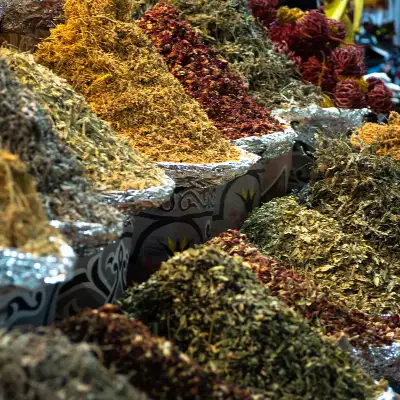
Indian spices are globally valued for their strong aroma, rich flavor profiles, medicinal benefits, and natural purity. Cultivated across diverse climatic regions using traditional farming methods, Indian spices offer superior quality compared to mass-produced alternatives. The global rise of Indian, Middle Eastern, and Asian cuisines has further fueled international demand.
Additionally, Indian spices are widely used in pharmaceuticals, cosmetics, nutraceuticals, and wellness products, making them a high-value export commodity beyond the food industry.
Major Indian Spices Exported Worldwide
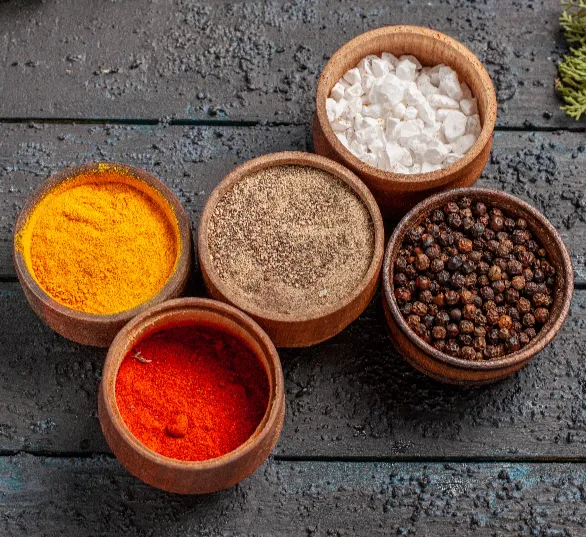
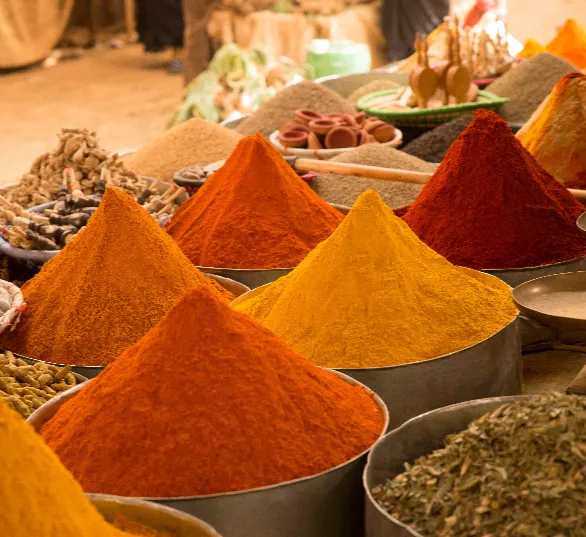
India exports a wide range of spices catering to culinary, medicinal, and industrial applications. Turmeric is among the most exported spices due to its health benefits and versatility, with strong demand in the USA, Europe, and the Middle East. Black pepper, known as the “King of Spices,” is valued globally for its pungency and aroma.
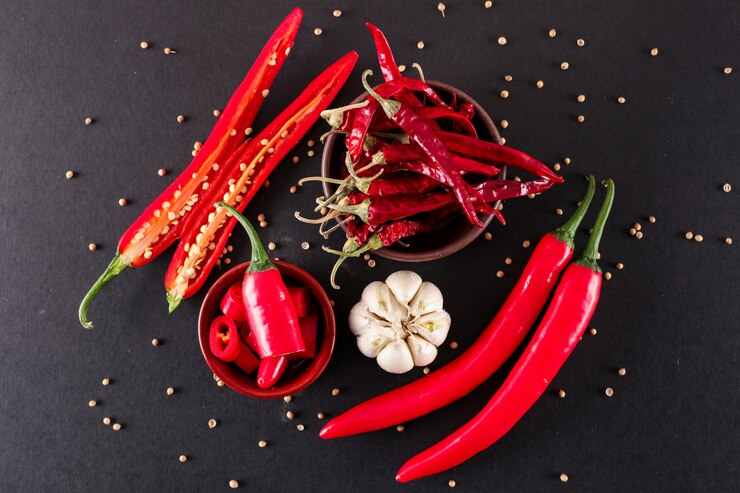
Red chilli exports dominate international markets, with India being the world’s largest exporter of dried chillies and chilli powder. Cumin seeds are widely used across Europe, the USA, and Gulf countries for their digestive properties, while cardamom—often called the “Queen of Spices”—is a premium export with high demand in Middle Eastern countries. Coriander, clove, and cinnamon also play a significant role in global spice trade.
Top Importing Countries of Indian Spices
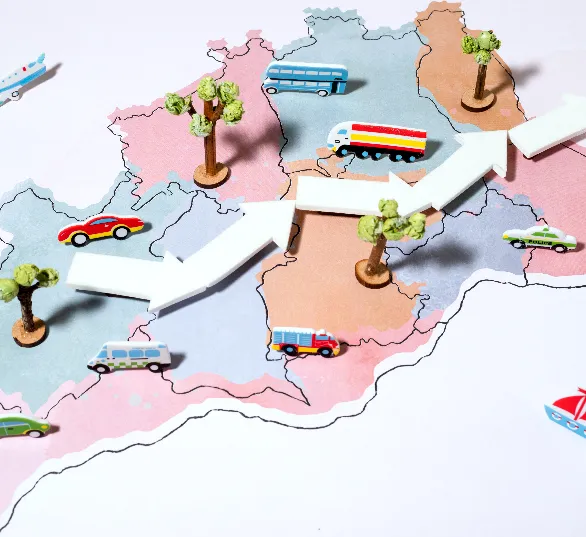
Indian spices are exported to multiple regions across the world. Major importing markets include the UAE, Saudi Arabia, and Qatar in the Middle East; Germany, the United Kingdom, and the Netherlands in Europe; the United States and Canada in North America; and China, Bangladesh, Malaysia, and Sri Lanka in Asia. African countries such as South Africa and Nigeria also show steady demand.
Each market follows specific quality standards, packaging requirements, and certification norms, making compliance a critical factor for exporters.
Indian Spice Export Process Explained
The spice export process from India involves multiple quality-controlled stages. It begins with sourcing spices directly from farms or mandis, followed by thorough cleaning to remove impurities. The spices are then dried and processed under controlled conditions to maintain flavor, color, and shelf life.
Before shipment, spices undergo rigorous quality testing for moisture levels, microbial contamination, and pesticide residues. Once approved, they are packed in food-grade, moisture-proof packaging. Essential export documents such as the Import Export Code (IEC), Certificate of Origin, Phytosanitary Certificate, invoice, and packing list are prepared to ensure smooth customs clearance.
Packaging and Quality Standards for Spice Exports
Packaging is critical for preserving spice quality during international transportation. Export-grade packaging must be moisture-proof, airtight, and clearly labeled with product details, batch numbers, and expiry dates. International buyers expect compliance with standards such as FSSAI, ASTA, and ISO certifications.
High-quality packaging not only protects the product but also enhances brand value and buyer confidence in global markets.
How GlobalShipify Supports Spice Exporters
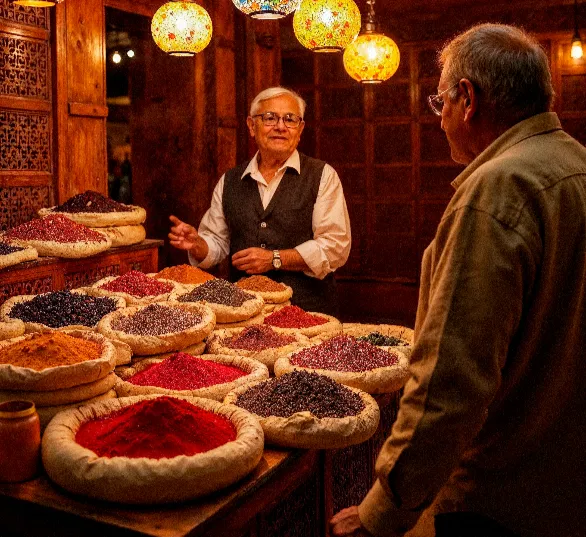
GlobalShipify simplifies the international spice trade by offering end-to-end export assistance. From connecting exporters with verified global buyers to supporting documentation, compliance, logistics, and freight coordination, GlobalShipify enables smoother access to international markets. The platform also provides market insights and digital visibility to help spice exporters scale efficiently.
Conclusion
Indian spices are more than just ingredients—they are a legacy of flavor, health, and global trade. As international demand for authentic, high-quality spices continues to grow, India remains the world’s most trusted source. By focusing on quality, compliance, and strategic partnerships, exporters can unlock long-term growth opportunities. With expert support and global market access, GlobalShipify empowers Indian spice exporters to succeed beyond borders.